
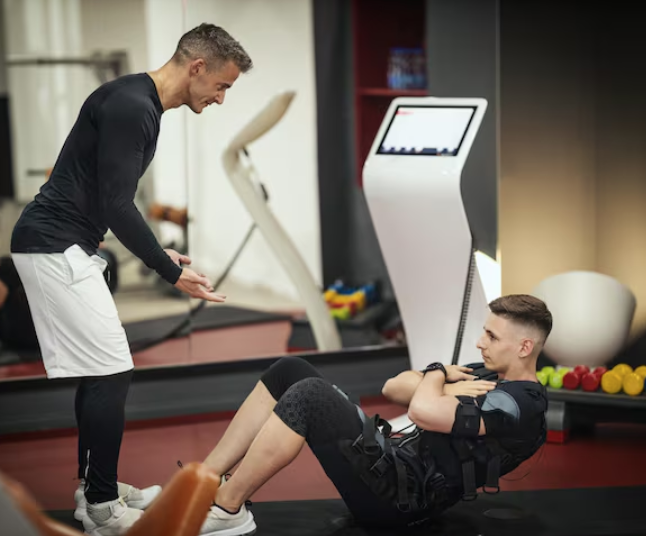
Not all fitness programs are built for the same purpose. While general fitness training focuses on overall health, aesthetics, and basic conditioning, a Firefighter CPAT training program is specifically designed to prepare candidates for the real physical demands of the fireground and the Candidate Physical Ability Test (CPAT).
Programs like those inspired by Rockin with Reemo focus on job-specific performance—building strength, endurance, grip, and fatigue resistance under load so candidates can pass CPAT and perform safely in real emergencies.
What Is General Fitness Training?
General fitness training is designed to improve overall health and physical appearance.
Typical goals include:
- Weight loss or muscle gain
- General strength improvement
- Cardiovascular health
- Mobility and flexibility
- Stress reduction
Common exercises:
- Machines and isolated lifts
- Steady-state cardio (running, cycling)
- Basic resistance training
- Group fitness classes
Limitations for firefighters:
- Not job-specific
- Limited load-bearing work
- Minimal fatigue simulation
- Little focus on grip or carries
General fitness improves health—but may not fully prepare you for CPAT demands.
What Is a Firefighter CPAT Training Program?
A CPAT training program is designed specifically to prepare candidates for the 8-event physical test and real firefighting tasks.
Key goals:
- Pass CPAT efficiently
- Build job-ready strength
- Improve endurance under load
- Develop grip and carry capacity
- Simulate fireground conditions
Key training methods:
- Stair climbing with weight
- Hose drag simulations
- Dummy drags
- Ladder raises
- Heavy carries (sandbags, sleds)
- High-intensity circuits
Key Differences: CPAT Training vs General Fitness
1. Training Purpose
General Fitness:
- Health and aesthetics
- Long-term wellness
CPAT Training:
- Job readiness
- Test performance
- Emergency response capability
2. Exercise Selection
General Fitness:
- Machines
- Isolation exercises
- Moderate cardio
CPAT Training:
- Compound lifts (squats, deadlifts)
- Loaded carries
- Sled pushes/pulls
- Stair climbs with weight
3. Conditioning Style
General Fitness:
- Steady-state cardio
- Predictable workouts
CPAT Training:
- High-intensity interval training (HIIT)
- Circuit-based fatigue training
- Non-stop event simulation
4. Strength Focus
General Fitness:
- Balanced muscle development
- Moderate resistance training
CPAT Training:
- Functional strength
- Max lifting + endurance under load
- Fireground-specific movement patterns
5. Grip and Carry Training
General Fitness:
- Minimal grip focus
CPAT Training:
- Farmer carries
- Rope pulls
- Dead hangs
- Sandbag drags
Grip strength is critical in CPAT performance.
6. Fatigue Simulation
General Fitness:
- Rest between sets
- Controlled effort
CPAT Training:
- Continuous movement
- Minimal rest
- Performance under exhaustion
Firefighting requires working while fatigued.
CPAT Test Demands vs General Fitness Capability
The CPAT includes:
- Stair climb with weight
- Hose drag
- Equipment carry
- Ladder raise
- Forcible entry simulation
- Rescue drag
- Ceiling breach tasks
These require:
- Full-body strength
- Cardiovascular endurance
- Grip endurance
- Mental resilience
General fitness often does not replicate these demands directly.
Which One Should Firefighter Candidates Choose?
If your goal is general health:
General fitness is sufficient.
If your goal is to become a firefighter:
A CPAT-specific training program is essential.
The best approach is often a combination:
- General fitness base → CPAT specialization phase
- Strength foundation → job simulation training
Sample Comparison Weekly Structure
General Fitness Plan:
- 3–4 gym sessions
- 2 cardio days
- Light recovery focus
CPAT Training Plan:
- 2 strength days
- 2 conditioning circuits
- 1 CPAT simulation day
- 1 active recovery day
Why CPAT Training Is More Effective for Firefighting
CPAT-focused programs build:
- Real-world strength
- Emergency endurance
- Grip under fatigue
- Mental toughness
- Test-specific conditioning
This makes candidates more prepared for both the exam and actual fireground work.
Role of Programs Like Rockin with Reemo
Training systems such as Rockin with Reemo emphasize:
- Tactical strength training
- Firefighter-specific conditioning
- CPAT simulation circuits
- Functional movement patterns
- Progressive overload for job readiness
These approaches bridge the gap between gym fitness and real firefighter performance.
Common Mistake Candidates Make
Many candidates fail CPAT because they:
- Only do general gym workouts
- Avoid stair and carry training
- Don’t simulate fatigue conditions
- Underestimate grip demands
- Lack test-specific preparation
Final Thoughts
The difference between general fitness training and CPAT firefighter training is purpose. One builds health and appearance, while the other builds job readiness, endurance under pressure, and real-world performance capability.
If your goal is to pass CPAT and succeed in firefighting, a structured CPAT-focused program is not optional—it’s essential.
FAQs
1. Can general fitness training prepare me for CPAT?
It helps build a base, but it is not enough alone for CPAT success.
2. What is the biggest difference in training style?
CPAT training uses job simulations and fatigue-based circuits, unlike general fitness.
3. How long should CPAT preparation take?
Most candidates need 8–12 weeks of focused training.
4. Is strength training important for CPAT?
Yes—especially compound lifts and loaded carries.
5. Why is grip strength so important?
Because many CPAT tasks involve dragging, lifting, and carrying under fatigue.
6. Do firefighters need cardio or strength more?
Both are essential for performance and safety.
7. What makes CPAT training more effective?
It replicates real fireground conditions and builds endurance under stress.